Loading...
Loading...
Loading...
Loading...
Loading...
Loading...

Loading editorial...
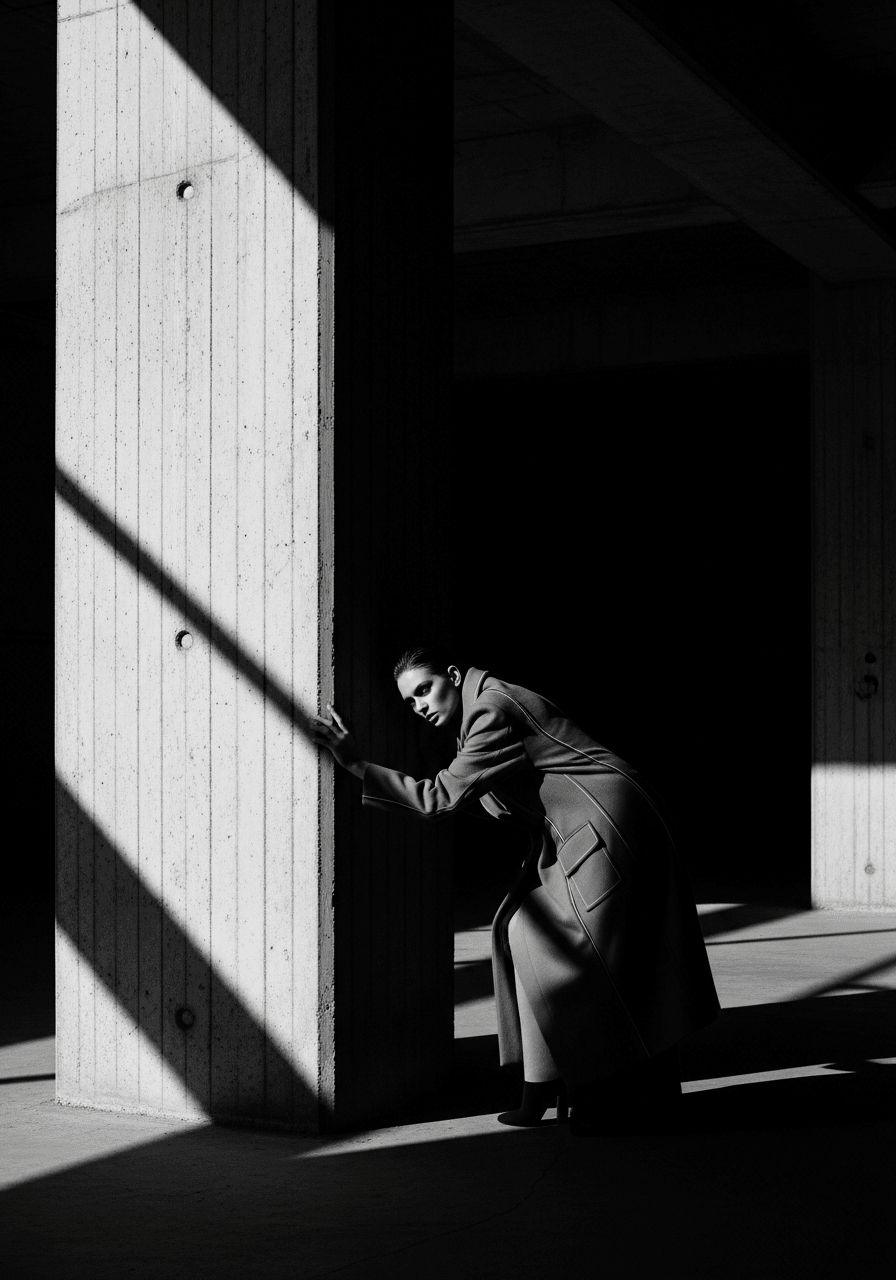
Barcelona. Gaudí. Organza.
The organza snagged on the ironwork. We kept shooting.
Photography: Hans Lindberg / Set Design: Marlowe Stern, Dmitri Sokolov / Creative Direction: Delphine Yu / Fashion Editor: Audrey Lang, Pietro Bianchi
Permits for Casa Batlló took six weeks and a personal letter to the foundation. Hans scouted three times before committing to the main staircase and the piano nobile as primary locations. Anastasia arrived at 6:30 AM in running clothes and didn't say a word until the first organza cape was pinned. She moved through the building like she was navigating a garden — slow, deliberate, aware of every surface. The third ironwork snag happened on the balcony railing. The stylist reached for the tear and Hans stopped her. 'Leave it,' he said. That frame is the opener.
Casa Batlló is a building that rejects straight lines on principle. Every surface curves, bends, or dissolves into something organic. Organza against that ironwork creates an ecosystem, not a set. The fabric and the architecture share a language: both are structured but refuse rigidity, both look fragile but survive. Gaudí built the same way. Tension holding beauty in place.
Organza so fine it catches on wrought iron and tears along the bias. That's what happened. Three times. And each tear opened a new way for the morning light to pass through.
Morning light through Gaudí's stained glass. Amber, fractured, shifting as the sun climbed. The colour moved across the room in real time, turning the organza from white to gold to amber in the space of an hour. No artificial light. The building provided everything.
Casa Batlló. They gave us ninety minutes before opening. We used a hundred and twelve. The organza cape caught on Gaudí's ironwork three times. We left the snags. 'It's better torn,' Hans said. The morning light through the stained glass turned everything amber. By 9 AM, the tourists were pressing against the windows. That's when we got the last frame.